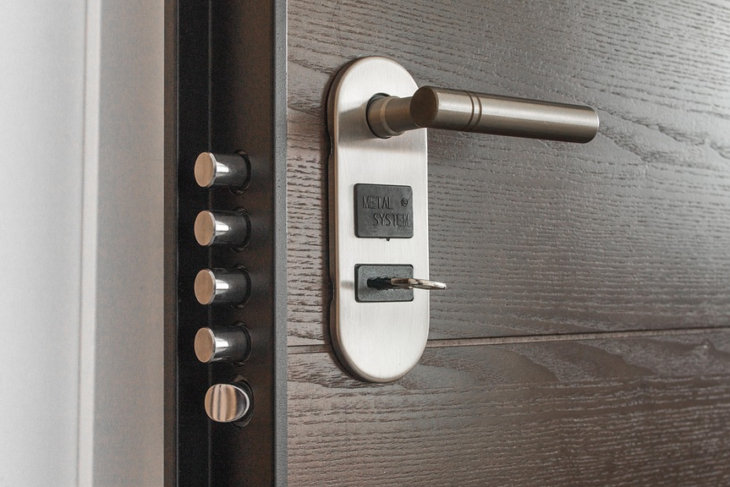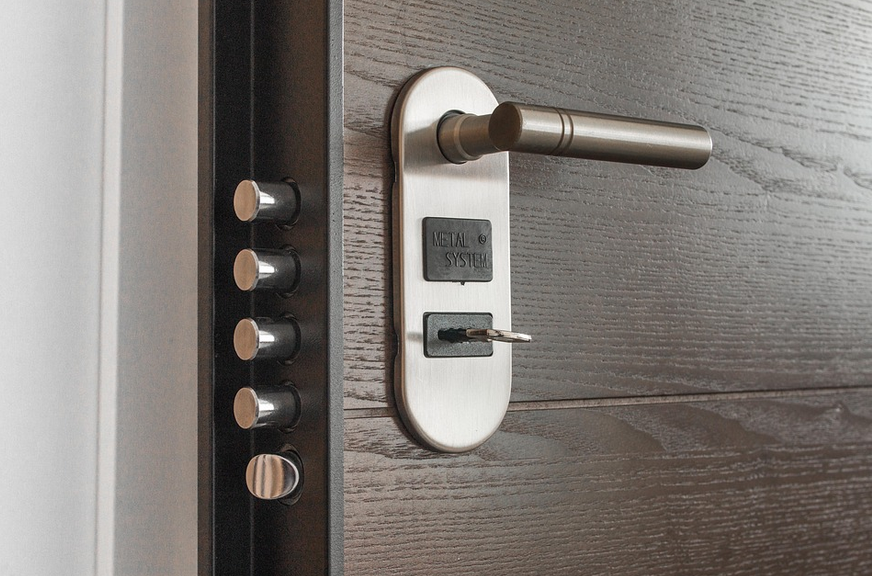
For most homeowners, the front door still feels like the first line of defense. A solid frame, a deadbolt that actually catches, and hinges that can’t be popped from the outside do more to deter a break-in than any gadget on the market. But doors and locks work best as part of a layered approach, not as the whole plan.
Start With the Hardware You Can Touch
Before adding anything electronic, walk your property and check the basics. Strike plates with short screws are a common weak point; swapping them for three-inch screws anchors the lock into the framing rather than just the door jamb. Sliding doors benefit from a simple bar or pin in the track, and older window locks often need replacing rather than tightening.
- Reinforce strike plates with long screws
- Add secondary locks on sliding doors and windows
- Check that exterior hinges aren’t exposed on swing-out doors
- Replace worn deadbolts before they fail quietly
Lighting Still Matters
Motion-activated lighting near entry points removes the cover of darkness that opportunistic intruders rely on. It’s inexpensive, requires no subscription, and works even when the power to a smart system hiccups.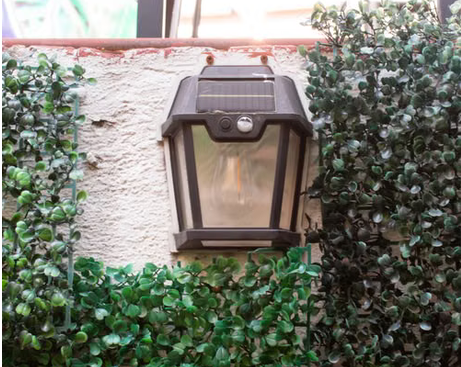
Visibility From the Street Changes Behavior
Overgrown shrubs near windows and doors create hiding spots, and a yard that looks unmonitored reads as an easier target. Trimming sightlines, keeping porch areas visible from the sidewalk, and making sure house numbers are legible for emergency responders are small changes that add up. None of this costs much, but it signals that a property is cared for and watched.
Where Neighborhood Cameras Fit In
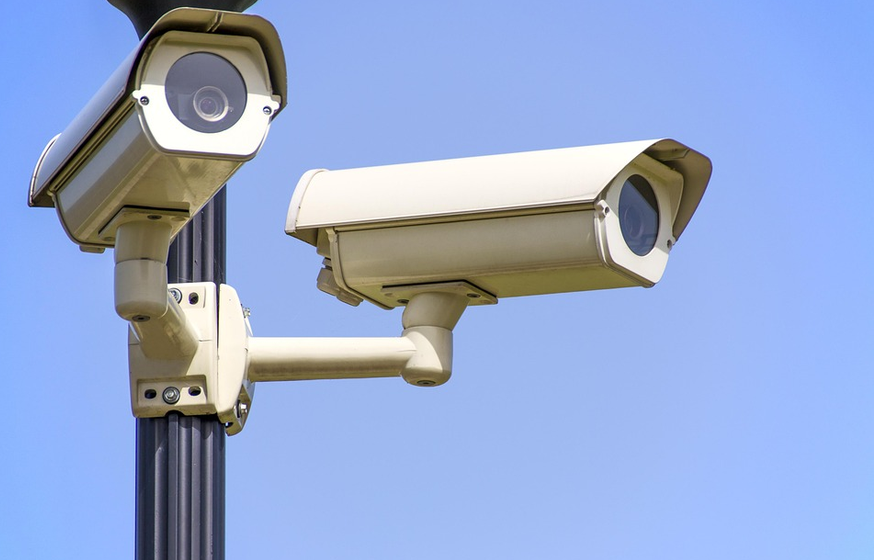 Beyond individual homes, many neighborhoods have started adding shared camera networks at entry points and intersections, often run by a homeowners association or local police partnership. One widely discussed example is flock safety, a company whose cameras use automated license plate recognition to flag vehicles tied to reported crimes. Supporters say the systems have helped solve break-ins and recover stolen vehicles; critics raise concerns about data retention, who can access the footage, and how long records stay on file.
Whatever side of that debate you land on, it’s worth knowing whether your street already has this kind of camera installed, since it changes how incidents in your area tend to get investigated.
Build a Routine, Not Just a System
Security gear only works if people actually use it. Lock the door you think is already locked. Test the motion lights seasonally. Walk the perimeter after storms to check for damaged fencing or gates that no longer latch. Groups like the National Crime Prevention Council have long emphasized that consistent habits, not single purchases, are what actually lower risk over time.
Treat your home’s security as a few small, reinforcing layers rather than one big fix. Check your door hardware this weekend, look at your lighting after dark, and ask a neighbor whether your block already has cameras watching the street. Small adjustments now tend to matter more than expensive upgrades later.